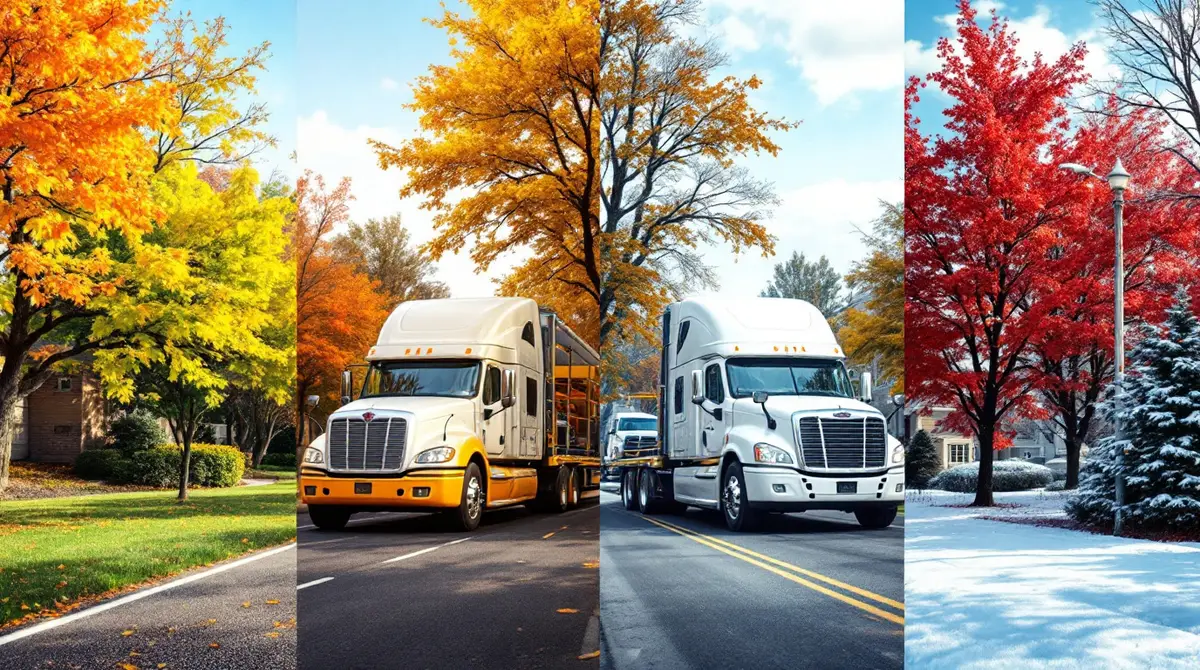
The best time of year to ship your car in Florida is generally during late fall or early spring. These seasons offer moderate weather, fewer transport delays, and more availability for car carriers, which keeps costs manageable and helps ensure a smooth process. Whether you’re moving to or from Miami, FL, understanding the impact of Florida’s unique seasons will help you plan your auto transport with confidence.
How Seasons Affect Car Shipping in Florida
Florida’s climate features dramatic seasonal changes that directly impact auto transport. In Miami and throughout the state, summer brings higher humidity, frequent rain, and the risk of hurricanes, which can disrupt schedules and increase demand. Conversely, fall and spring offer more stable weather and less traffic, making these seasons generally more reliable for car shipping.
Winter months see a surge in demand due to ‘snowbirds’—residents from northern states who move south to escape the cold. This influx increases competition for open and enclosed carriers, which can raise prices and lead to longer wait times for transport slots.
Best and Worst Months for Shipping Your Car
Late October through April is typically the most favorable window for shipping a vehicle in Florida. During these months, Miami enjoys mild temperatures and fewer weather-related disruptions, making scheduling more predictable for you and your auto transport provider.
In contrast, from June to early October, Florida enters hurricane season. This period brings storms and flooding, which can cause carrier delays, rerouted trucks, and increased prices. If possible, avoid planning your transport during peak hurricane months to minimize risks.
- Best: Late October to April (mild weather, high carrier availability)
- Good: May (low risk of storms, moderate demand)
- Challenging: June to October (hurricane season, possible delays)
- Busy: December to March (high demand from snowbirds)
How Weather Influences Shipping Costs and Timing
Weather patterns in Miami, FL, directly impact car shipping prices and timelines. Severe weather, including heavy rain and hurricanes, can halt carrier operations and create backlogs that drive up costs, especially for expedited car shipping or specialty transport like enclosed service.
During calmer months, carriers face fewer road hazards, which allows for efficient scheduling and often lower rates. Fast Track Auto Transport monitors weather closely and recommends booking early if you need guaranteed delivery windows during less predictable times.
Planning Ahead for Smooth Auto Transport
To make your auto transport experience as seamless as possible, plan at least two to four weeks ahead—especially if you’re shipping a classic, luxury, or specialty vehicle to or from Miami. Early booking gives you access to more carrier options and better pricing, regardless of the season.
If you need door-to-door service, cross-country shipping, or expedited delivery, communicating your timing preferences with Fast Track Auto Transport helps ensure every detail is handled. Flexibility with pickup and delivery dates can also reduce costs and stress.
Tips for Shipping Your Car in Miami, FL
Regardless of the season, a few practical steps can help you prepare your vehicle and avoid common pitfalls when shipping in Miami and greater Florida.
- Check Miami weather forecasts before booking transport.
- Clean your car and inspect for pre-existing damage.
- Remove personal items to comply with carrier guidelines.
- Confirm your delivery address and contact information.
- Book early during peak months to secure a spot.